
San-X and Sanrio — What's the Difference Between These Character Companies?
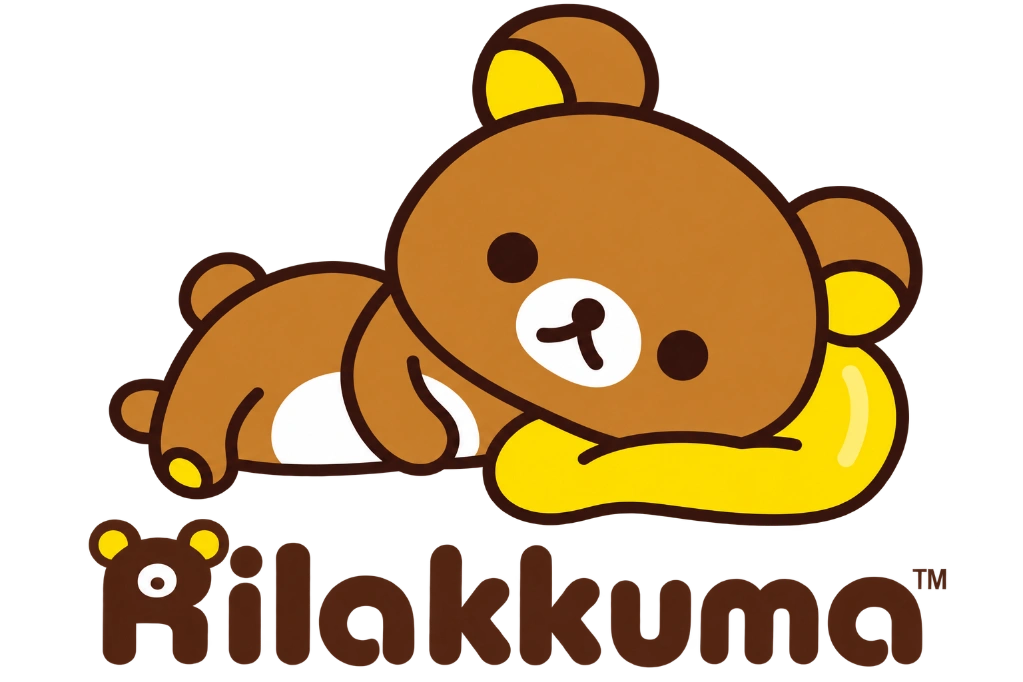
One of the most common questions we hear is: is Rilakkuma Sanrio? The short answer is no — Rilakkuma is a San-X character, not a Sanrio one. While both San-X and Sanrio are Japanese character companies beloved worldwide, they’re separate entities with distinct design philosophies, rosters, and histories.
Both companies have shaped kawaii culture globally, but mixing them up is easy when you’re new to Japanese character goods. This guide breaks down what sets San-X apart from Sanrio, how their characters differ, and why understanding the distinction helps you appreciate what makes each universe special.
Company Origins and Philosophy
Sanrio was founded in 1960 by Shintaro Tsuji and is best known for Hello Kitty, My Melody, and Cinnamoroll. The company pioneered the ‘small gift, big smile’ philosophy — creating characters designed to communicate friendship and connection across language barriers. Sanrio characters tend to live in bright, fantastical worlds with clear narratives.
San-X, founded in 1932 as a stationery manufacturer, didn’t enter the character business until the 1980s. San-X characters emerged from a different creative impulse: capturing the everyday emotions of modern life through quirky, relatable personalities. Where Sanrio aims for universal cuteness, San-X often embraces the imperfect — lazy, awkward, or offbeat traits that feel more like real people than fantasy icons.
That tonal difference shows up in everything from Rilakkuma’s laid-back personality to the melancholy charm of characters like Sumikko Gurashi. San-X characters don’t always live in magical kingdoms; they live in everyday spaces, doing everyday things.
Character Design and Storytelling Approaches
Sanrio characters are instantly recognizable for their polished, symmetrical designs and vibrant color palettes. Hello Kitty’s minimalism — no mouth, bold bow, clean lines — makes her infinitely adaptable across products and collaborations. Sanrio invests heavily in character backstories, creating detailed profiles, families, and friend groups for nearly every character.
San-X takes a looser, more illustrative approach. Characters like Rilakkuma don’t have rigid, fixed proportions — the bear’s shape shifts slightly depending on the product or artwork, giving each piece a hand-drawn, cozy feel rather than a corporate-perfect finish. The cast of Rilakkuma characters grew organically over time, adding Korilakkuma, Kiiroitori, and Chairoikoguma without pre-planned narratives.
This design philosophy extends to packaging, collaborations, and licensed goods. Sanrio products often feel polished and consistent across categories, while San-X items embrace variation — you’ll see different artistic interpretations of the same character from season to season, which collectors love.
Licensing, Merchandise, and Global Reach
Sanrio operates one of the most valuable character licensing businesses in the world. Hello Kitty alone generates billions in annual retail sales through apparel, accessories, home goods, and collaborations with luxury brands. Sanrio’s global footprint includes theme parks in Japan and partnerships spanning every product category imaginable.
San-X maintains a more focused, stationery-rooted merchandising strategy. While Rilakkuma and Sumikko Gurashi have expanded into plush, apparel, and home goods, San-X’s core strength remains paper products — notebooks, stickers, memo pads — where detailed illustration shines. The company’s international growth has accelerated in recent years, but it still operates on a smaller scale than Sanrio, making Rilakkuma plush and character goods feel more niche and collectible outside Japan.
According to Wikipedia’s entry on San-X, the company focuses on a ‘slower character development model,’ letting characters build cult followings rather than chasing instant global ubiquity. That approach creates deeper fan communities but less immediate mainstream recognition compared to Sanrio’s blockbuster IP strategy.

Why the Confusion Happens
The mix-up between San-X and Sanrio is understandable. Both companies produce kawaii characters that dominate Japanese pop culture and both merchandise their IP through stationery, plush, and lifestyle goods. Retail stores often stock them side-by-side, and casual fans see ‘cute Japanese characters’ as a single category.
The confusion deepens when characters from both companies appear in the same retailer’s kawaii section or get bundled in ‘Japanese character goods’ marketing. Additionally, both companies use similar distribution channels, collaborate with overlapping manufacturing partners, and compete for shelf space in the same international markets.
But once you know what to look for — Sanrio’s polished, fantasy-driven designs versus San-X’s cozy, everyday realism — the distinction becomes clear. Rilakkuma’s whole premise (a bear in a full-body suit who showed up one day and never left) is quintessentially San-X: strange, low-key, and completely unlike anything Sanrio would create.
Two Companies, Two Unique Approaches to Kawaii
So, is Rilakkuma Sanrio? Definitely not — but the question makes sense given how both companies shape the kawaii landscape. Sanrio built a global empire on polished, friendship-focused characters, while San-X carved out its own space with quirky, relatable designs that embrace everyday imperfection.
Understanding the difference helps you appreciate what makes each character universe special. Next time you see Rilakkuma lounging with a plate of dango or Sumikko Gurashi huddled in a corner, you’ll recognize the distinct San-X sensibility behind it — and know exactly which company to thank.
Notes
No, Rilakkuma is not a Sanrio character. Rilakkuma was created by San-X in 2003 and belongs to their character lineup, not Sanrio’s. While both companies produce popular kawaii characters in Japan, they are separate entities with different design philosophies and character rosters.
Sanrio owns Hello Kitty, My Melody, Cinnamoroll, Kuromi, Pompompurin, Keroppi, Badtz-Maru, and many others. The company has created hundreds of characters since its founding in 1960, with Hello Kitty remaining its most globally recognized icon.
San-X owns Rilakkuma, Sumikko Gurashi, Kogepan, Tarepanda, Mamegoma, Afro Ken, and dozens of other characters. Many San-X characters share a quirky, relatable personality and everyday settings rather than the fantastical worlds common in Sanrio properties.
Often, yes. Sanrio merchandise tends toward polished, symmetrical designs with bright colors and clear character branding. San-X products embrace softer, hand-drawn aesthetics with subtle variations in character proportions and a cozy, stationery-rooted feel.
The easiest way to confirm is to check the copyright line on the product — it will say either San-X or Sanrio.
No, San-X and Sanrio do not collaborate on character crossovers or joint products. They are competing companies in the character licensing industry, each protecting their own intellectual property and brand identity.
Sanrio is significantly larger in terms of global revenue, licensing reach, and brand recognition. Hello Kitty alone generates billions annually. San-X operates on a smaller scale with a more focused product strategy, though characters like Rilakkuma and Sumikko Gurashi have achieved massive popularity in Japan and growing international fanbases.